
How to find and fix leaks
A scheduled leak check of all your fixtures and toilets at home and your business premises is a good way to ensure those small leaks don’t turn into big ones.
Our 3-step leak check is quick and easy to follow. It’ll also avoid water waste and save money on your water bill.
The quick 3-step leak check
Step 1: Make sure no one’s using water while you do the test. Turn off dishwashers, irrigation, washing machines etc.
Step 2: Take a reading of the last two red digits on your water meter. Snap a photo or write it down.
Step 3: Wait five minutes (remember, no water use) and check the reading again.
If the numbers move, you’ve likely got a leak. Even a small change adds up over time.
Did your meter move? You could have a hidden leak.
Where to look for leaks
- Garden: Check for wet patches, green spots, or popped off drippers, joiners or disconnections in the garden’s irrigation system. Find out more about how to fix irrigation leaks.
- Kitchen and bathrooms: Check regularly for dripping taps and showers.
- Toilets: A leaky toilet can waste more water than a leaky tap – sometimes hundreds of thousands of litres a year. Listen for running water or use a food-dye test in the cistern. If the colour ends up in the bowl, you’ve got a leak.
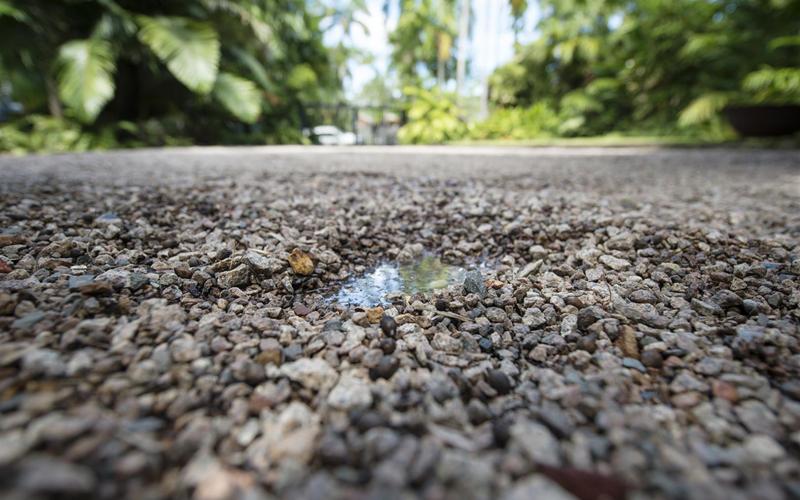
- Underground: These are trickier to locate. You could lose up to 2,000 litres per hour with no surface signs on paving and driveways. If you suspect an underground leak, it's important that you contact a plumber if you are the homeowner, or your landlord if you are renting.
Leaks Outside Your Property
- In the street: You should report the leak to Power and Water. You can do this online or by calling us on 1800 245 092.
- At work: let your manager or maintenance team know if you notice a leak to ensure it gets sorted.
Water Saving Tips
Territory homes are losing thousands of litres in hidden leaks every year - wasting water and money. The good news? Finding and fixing leaks is simple.