Saving water on larger blocks
One of the best things about living rural is the space – beautiful bushland, room to move, and nature at your doorstep. However, with that comes plenty to manage - fences and firebreaks to maintain, weeds to keep at bay, and gardens to tend. And if you have kids, there’s the endless run around with school, sport and social activities.
We get it, you’re busy. Still, it’s worth adding water efficiency to the list. The Territory’s variable climate means we can’t always rely on the same rainfall each year, so a sustainable water supply is key to maintaining your great rural lifestyle.
The two biggest areas of water use on larger properties are gardens and leaks. Here are some top tips to help you save water without compromising your lifestyle.
1. Irrigation
Irrigation schedules:
More than half of all water used in the Darwin region goes on gardens, and in Alice Springs it’s more than two thirds of water.
The good news? You can easily cut back without harming your plants. In fact, they’ll often be healthier.
If you’ve got an automated irrigation system, and most larger properties do, make sure it’s set up to water efficiently.
Simple guidelines for the tropics:
- Water after 8pm and before 6am to reduce evaporation.
- Follow the 3, 2, 1 watering guide in the dry season:
- Water your lawns three times a week.
- Water exotics (palms, heliconias) twice a week or less.
- Water natives (acacias, grevilleas) once a week or less.
Watering for longer but less often to encourage root growth - the key to resilient plants.
Adjust your schedule with the seasons. In the late dry, give wilting plants an extra drink. Once the wet sets in, switch irrigation off and let nature do the watering.
Simple guidelines for arid zones:
- Daily watering for new plants and seedlings until their root systems develop – winter or summer
- 3 waterings a week for established gardens in the summer
- 2-3 weekly waterings in the winter, using less water.
- Adjust your schedule with how fast your soil dries out.
Manage the pressure:
Large blocks usually mean longer irrigation lines and that can cause pressure drop. The sprinklers at the start of the line may gush while the ones at the end barely dribble, leaving you tempted to overwater to compensate.
Tips to even things out:
- Loop your irrigation lines to keep pressure consistent along the whole system.
- Use drippers instead of sprayers. They deliver water slowly and directly to the roots, reducing pressure loss and weeds.
- Invest in pressure-compensating drippers, sprayers and pop-ups to regulate flow and ensure even coverage.
Get smart with your irrigation
Place plants with similar water needs together.
Each section of the garden needs its own separate watering system so that volumes and durations can be tailored to meet the plant needs.
Whatever system you do decide on, consider running a separate line to each bed. This way you can turn off sections that don’t need watering, avoiding unnecessary waste.
Based in Central Australia?
Drippers are the most efficient watering method if planned and installed well.
Living in the tropics?
Invest in a smart irrigation controller which automatically adjusts watering based on local weather! When it rains, it pauses irrigation and when it’s hotter than usual, it can increase watering to keep your plants happy.
It’s a great way to save water while keeping your garden in peak health. Some models even include flow meters and leak alerts.
Just make sure your controller is installed within Wi-Fi range. On large blocks that usually means placing it close to your modem.
Leaks
Leaks are the other big water waster and on large properties. They can go unnoticed for weeks. If you suspect a leak, find it fast.
Here’s how:
- Walk the lines. No, we’re not talking about Johnny Cash, we mean your irrigation lines. Once a month, turn on the irrigation and walk along the pipes, checking for splits, leaky heads or cracks. While you’re at it, fix any sprinklers pointing the wrong way.
- Look for green patches. In the dry, the only green spots should be the ones you water. Random green areas often mean a leak underground.
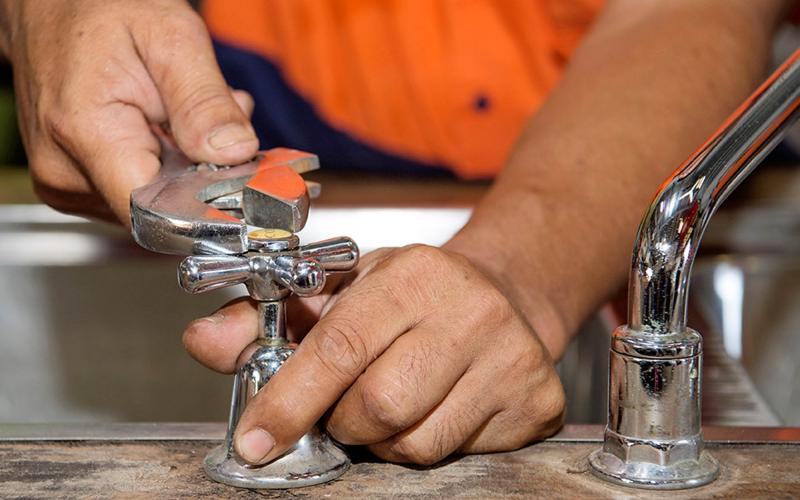
- Fix dripping taps and shower heads. Don’t ignore them. A new washer or quick tighten often does the trick. Not sure how? Ask a handy friend or check YouTube.
- Test for toilet leaks. Add food dye to the cistern. If colour seeps into the bowl, you’ve got a leak. Or place a sheet of toilet paper at the back of the bowl. If it gets wet, time to repair.
- Call in the pros. If you know you’ve got a leak but can’t find it, local plumbers use leak detection gear like tracer gas or high-powered listening devices. They can even pinpoint leaks under concrete slabs, making repairs quicker and cheaper.